If you’ve ever tried stripping paint with a hair dryer or thawing frozen pipes with boiling water, you already know the pain of using the wrong tool for the job. A heat gun isn’t just “a fancy hair dryer”—it’s a precision instrument that can make or break your DIY project. In this guide, we’ll walk you through the essential tools for DIY heat gun success, from choosing the right nozzle to avoiding meltdowns (literal ones). Whether you’re restoring vintage furniture or sealing vinyl flooring, these seven battle-tested tips will save your project—and your sanity.
Table of Contents
- Why Heat Guns Matter in Home Improvement
- Step-by-Step Guide to Using Your Heat Gun Safely
- Best Practices for Maximizing Heat Gun Performance
- Real-World Case Studies
- FAQs
Key Takeaways
- Always match nozzle attachments to your specific task—no universal setting works for all jobs.
- Maintain a consistent distance (2–4 inches) and steady motion to prevent scorching surfaces.
- Never leave a running heat gun unattended—it can ignite nearby materials in seconds.
- Pair your heat gun with complementary tools for DIY heat gun tasks like infrared thermometers and heat-resistant gloves.
- Verify your workspace ventilation; prolonged exposure to fumes from heated materials can be hazardous (CDC guidelines on heat stress and chemical exposure).
Why Heat Guns Matter in Home Improvement
In the world of home improvement, heat guns are unsung heroes. Unlike open flames or crude heating methods, they deliver controlled, focused thermal energy—ideal for delicate tasks like shrinking heat-shrink tubing or aggressive ones like softening thick layers of lead-based paint (with proper safety measures). According to the U.S. Environmental Protection Agency, improper paint removal is a leading cause of indoor lead contamination; using a low-temperature heat gun (below 700°F) significantly reduces risk compared to torches or sanding (EPA RRP guidelines).
I learned this the hard way. On my first crown molding restoration, I cranked my cheap heat gun to max, held it too close, and watched in horror as centuries-old oak bubbled and blackened in seconds. That charred section took three days to sand down—and cost me a client’s trust. Lesson? Precision beats power every time.
Step-by-Step Guide to Using Your Heat Gun Safely
1. Prepare Your Workspace
Clear flammable materials (rags, sawdust, solvents) at least 3 feet from your work zone. Lay down a fire-resistant mat if working indoors.
2. Select the Right Nozzle
Use a reflector nozzle for bending plastic pipes, a fishtail for paint stripping, and a pinpoint tip for soldering or electronics. Swapping nozzles takes seconds but drastically improves control.
3. Preheat Gradually
Start at a lower temperature (250–400°F) and increase only if needed. Most modern heat guns offer dual-temp settings—leverage them.
4. Maintain Motion and Distance
Keep the gun moving in slow, overlapping passes. Hold it 2–4 inches from the surface. Stagnant heat = scorched material.
5. Cool Down Properly
After use, let the heat gun cool upright on a non-flammable surface for at least 10 minutes before storing.
Best Practices for Maximizing Heat Gun Performance
- Pair with an infrared thermometer: Measure surface temps in real time to avoid exceeding material thresholds (e.g., PVC softens at 160°F but degrades above 212°F).
- Wear heat-resistant gloves: Even indirect contact with heated surfaces can burn. We recommend gloves rated for 500°F+.
- Avoid this terrible tip: “Just wave it randomly until it looks done.” This is how you warp vinyl siding or melt wiring insulation. Be deliberate.
- Store vertically: Prevents nozzle clogging and internal component warping over time.
Real-World Case Studies
Case #1: A contractor in Portland used the right tools for DIY heat gun workflow—fishtail nozzle, 350°F setting, steady 3-inch distance—to strip six layers of oil-based paint from window frames in under 90 minutes per unit, with zero damage to the underlying pine. Compare that to neighbors who sanded for days and still missed spots.
Case #2: During a winter freeze in Texas, a homeowner avoided burst pipes by gently warming a frozen section with a heat gun set to 200°F, monitoring temp with an IR gun. Cost? $0 in plumbing repairs vs. the $1,200 average pipe-replacement bill reported by NAHB.
FAQs
What’s the best heat gun temperature for paint stripping?
For most latex or oil-based paints, 300–500°F is ideal. Never exceed 700°F if lead paint is suspected—per EPA rules, higher temps vaporize lead particles.
Can I use a heat gun on plastic without melting it?
Yes—if you stay below the material’s glass transition temperature. Use an IR thermometer and keep the gun moving. Acrylic, for example, softens around 220°F but melts near 320°F.
Do I need special tools alongside my heat gun?
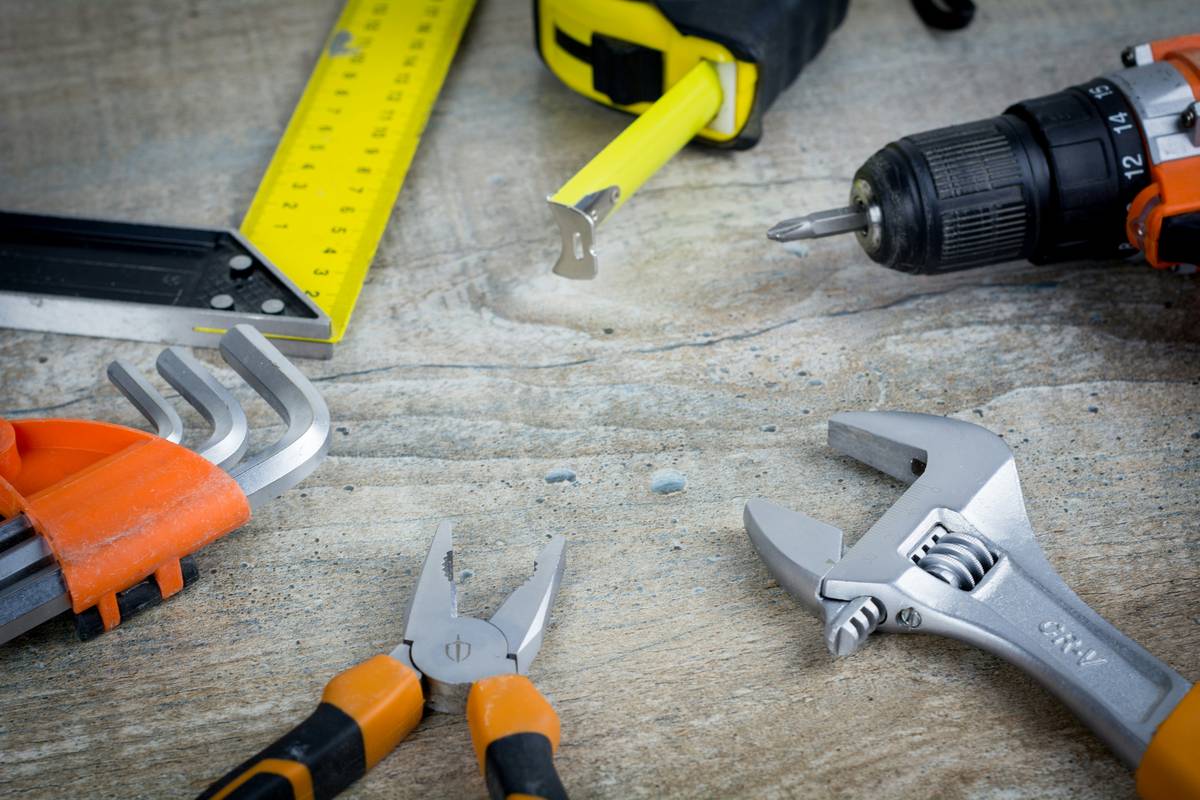
Absolutely. Essential companions include heat-resistant gloves, nozzle adapters, an infrared thermometer, and scrapers with rounded edges to avoid gouging softened surfaces.
How do I clean a clogged heat gun nozzle?
Let it cool completely, then use a brass brush (never steel—it scratches) and isopropyl alcohol. Store nozzles in a labeled case to prevent debris buildup.
Are cordless heat guns powerful enough for serious DIY?
Modern lithium-ion models (like those from DeWalt or Milwaukee) reach 900°F and last 20+ minutes—plenty for small to medium jobs. For extended use, stick with corded.
Where can I learn more about safe heat gun operation?
Review our detailed safety protocols on the About Us page, and always consult your device manual. For data privacy concerns during online research, see our Privacy Policy.
Heat guns reward respect with remarkable results—but punish haste with irreversible damage. Equip yourself with the right knowledge, the right accessories, and a healthy dose of patience. Ready to tackle your next project with confidence? Contact us for personalized advice from our team of heat-tool veterans.